Beyond Mirissa: The Best Time and Tour Operators for Whale Watching near Weligama

Hasini Wickramasinghe
Travel Writer
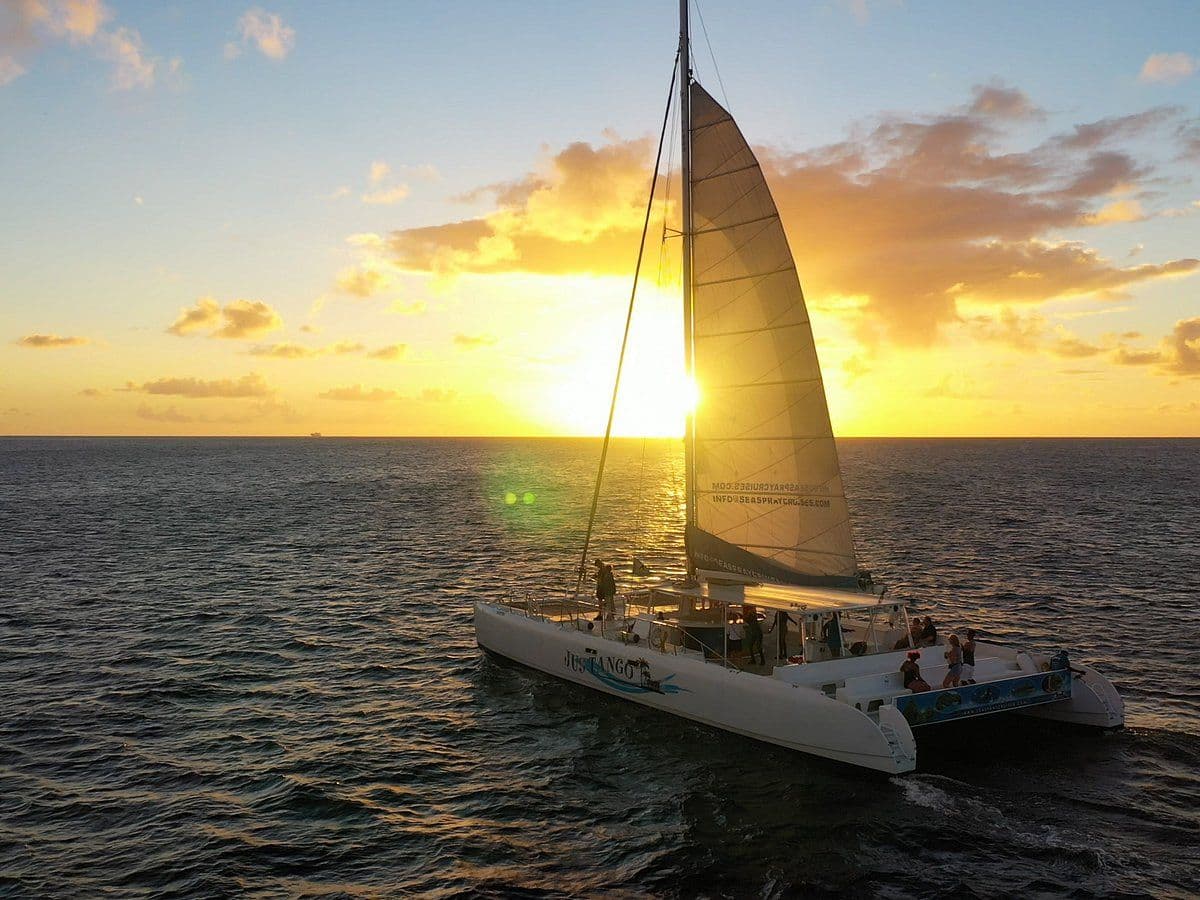
The south coast of Sri Lanka offers one of the world's premier locations for encountering the largest creature on earth: the majestic Blue Whale. While Mirissa is the well known departure point for these ocean safaris, Weligama is your perfect, tranquil home base for this spectacular marine adventure. The deep continental shelf lies exceptionally close to this part of the island, creating a vital feeding ground for giant cetaceans just a short boat ride from shore. This is your comprehensive guide to maximizing your chances of a successful and responsible whale watching experience.
The Golden Season for Giants
Timing your trip is the single most important factor for a successful whale watching excursion. The prime season for sighting Blue Whales and other marine life off the southern coast runs from November to April.
During these months, the Indian Ocean waters are at their calmest, following the monsoon period. The calm seas make for a safer and much more comfortable journey, but more importantly, this period aligns with the major migratory route of the Blue Whales as they traverse the warm waters. For those seeking the absolute highest chance of sighting these behemoths, the peak window narrows down even further to February and March, when the krill the whales feed on are most abundant.
A Gallery of Marine Wonders
While the Blue Whale is undoubtedly the star of the show, the rich waters near Weligama and Mirissa are home to an incredible variety of marine mammals. You have an excellent chance of encountering:
- Sperm Whales: The toothed giants, recognizable by their massive, square-shaped heads, which often show up closer to the deep drop offs.
- Bryde’s and Fin Whales: Other large rorquals frequently spotted traversing the area.
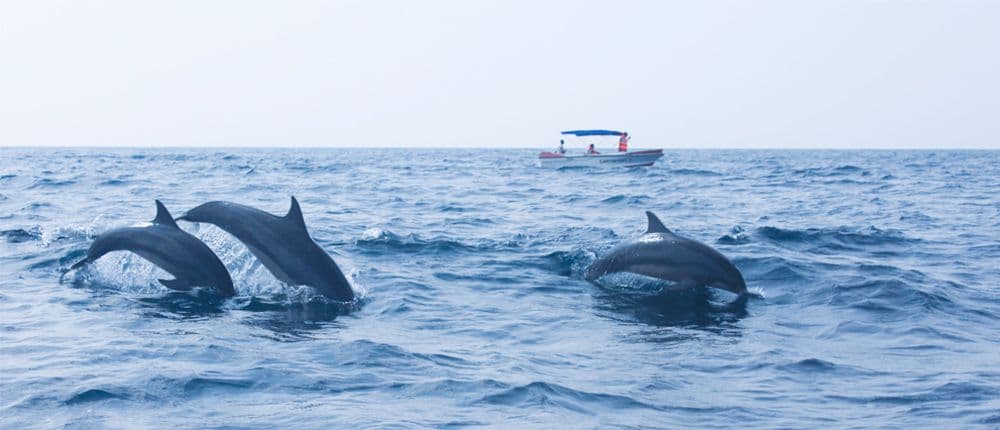
- Dolphins: Large pods of playful Spinner Dolphins are a common and exhilarating sight, often racing alongside the boat and leaping high out of the water in dazzling synchronized displays.
The trip is not just a whale hunt; it is a full marine safari experience that reminds you of the incredible biodiversity of the Indian Ocean.
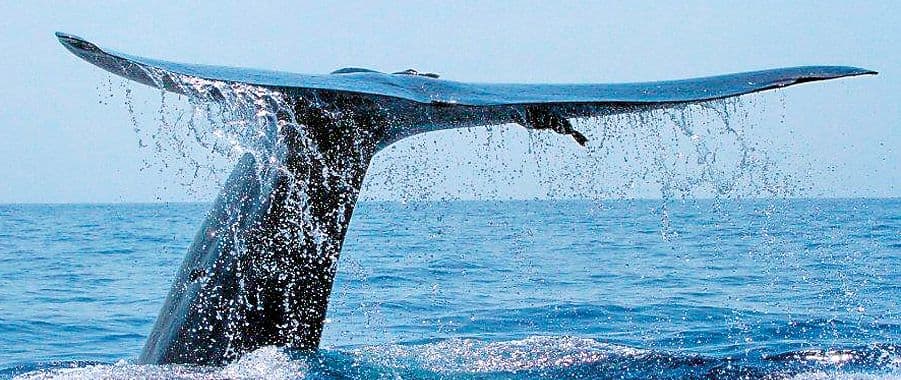
Choosing Your Ethical Tour Operator
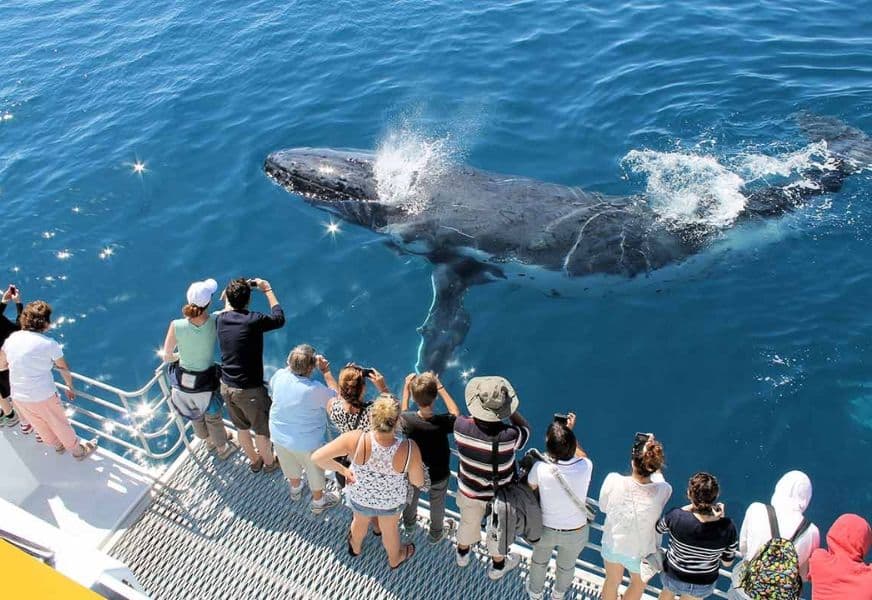
The popularity of whale watching has led to many operators, but choosing a responsible and ethical company is crucial for the whales’ safety and your own experience. Responsible operators adhere to international guidelines, ensuring their boats maintain a respectful distance and approach the whales slowly and cautiously.
Look for operators who:
- Limit the number of boats around a single whale.
- Do not chase or harass the animals.
- Provide knowledgeable guides who educate passengers about marine conservation.
- Offer safety measures and a well maintained vessel.
Ethical tour companies often cap their passenger numbers to ensure a less crowded viewing deck and a more intimate experience. Booking with a reputable, established company that prioritizes marine conservation will ensure your experience supports sustainable tourism.
Preparing for Your Early Morning Ocean Safari
Tours typically depart from Mirissa Harbour between 6:00 AM and 6:30 AM. The early start is necessary because the whales are most active, and the sea is generally at its smoothest state before the midday wind picks up.
The average tour lasts between three and five hours. You should plan to be on the water for a significant portion of the morning.
- Seasickness Prevention: The ocean can be unpredictable. Taking anti seasickness medication at least an hour before departure is highly recommended, even if you do not typically suffer from motion sickness.
- Protection: Bring a hat, sunglasses, and high factor sun cream. Even on a cloudy day, the reflection off the water is intense. A light jacket is also advisable for the cool, early morning boat ride.
- Equipment: Do not forget your camera with a good zoom lens and binoculars to enhance your viewing of distant blows and breaches.
The waters near Weligama offer a privilege few places on earth can match: the chance to gaze upon the majestic Blue Whale. By planning for the peak season and choosing an ethical operator, you are setting the stage for one of the most incredible wildlife encounters Sri Lanka has to offer.
Enjoyed this story? Share it
About the Author
Hasini Wickramasinghe
A passionate heritage explorer and travel storyteller dedicated to uncovering the sacred history, world-class surf breaks, palm-fringed beaches, and the vibrant coastal culture of Weligama — Sri Lanka's surfing paradise.