Hoppers vs. Kottu: A Weligama Foodie’s Guide to Sri Lanka’s Staple Dishes

Lily Anderson
Travel Writer
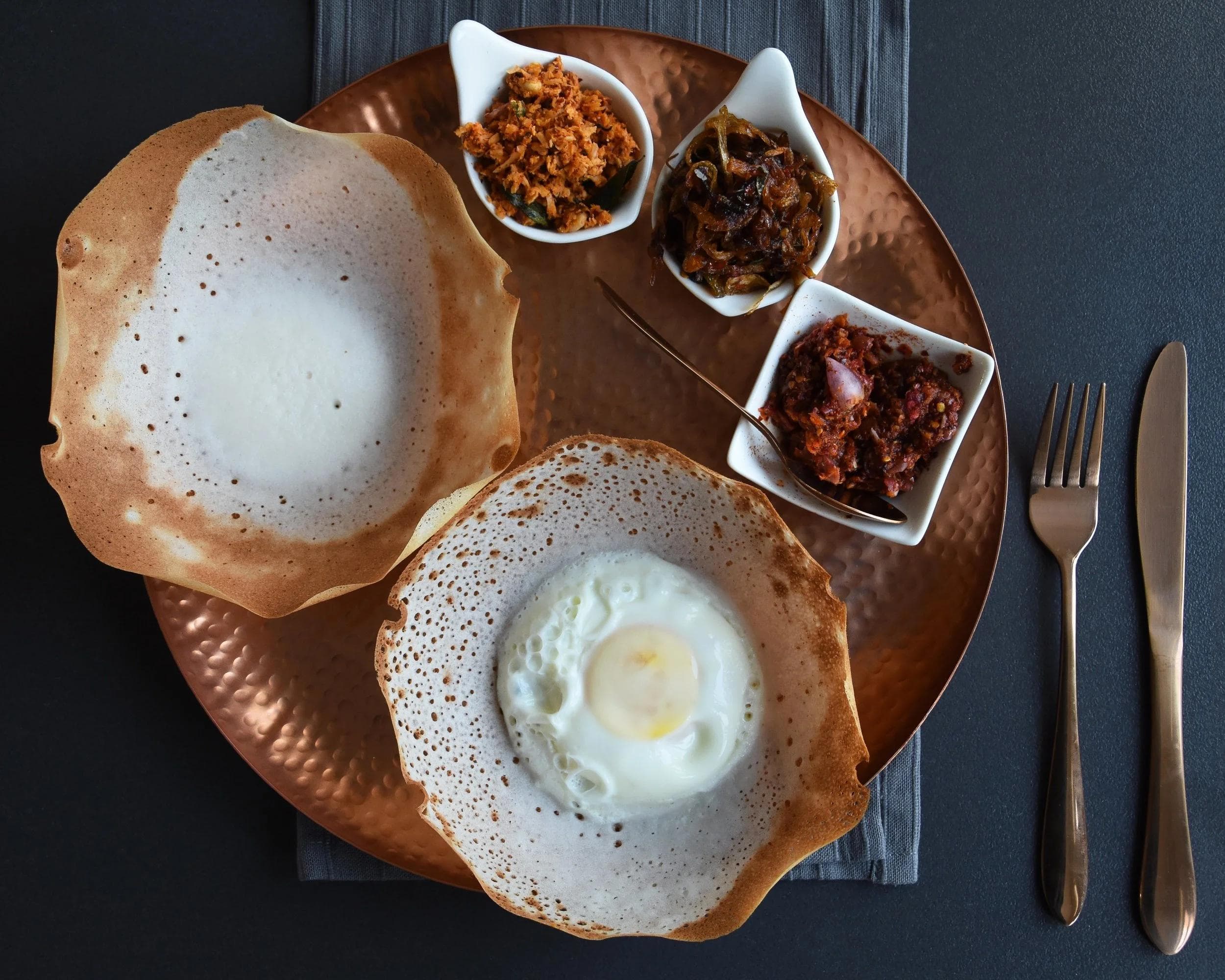
No culinary journey through Weligama is complete without experiencing the delightful duality of Sri Lanka’s two most beloved national dishes. They stand at opposite ends of the flavor spectrum, one a delicate, quiet accompaniment, the other a hearty, loud late night mash up. Mastering the art of eating both Hoppers and Kottu Roti is essential to unlocking the true taste of the island.
The Delicate Bowl: Hoppers (Appa)
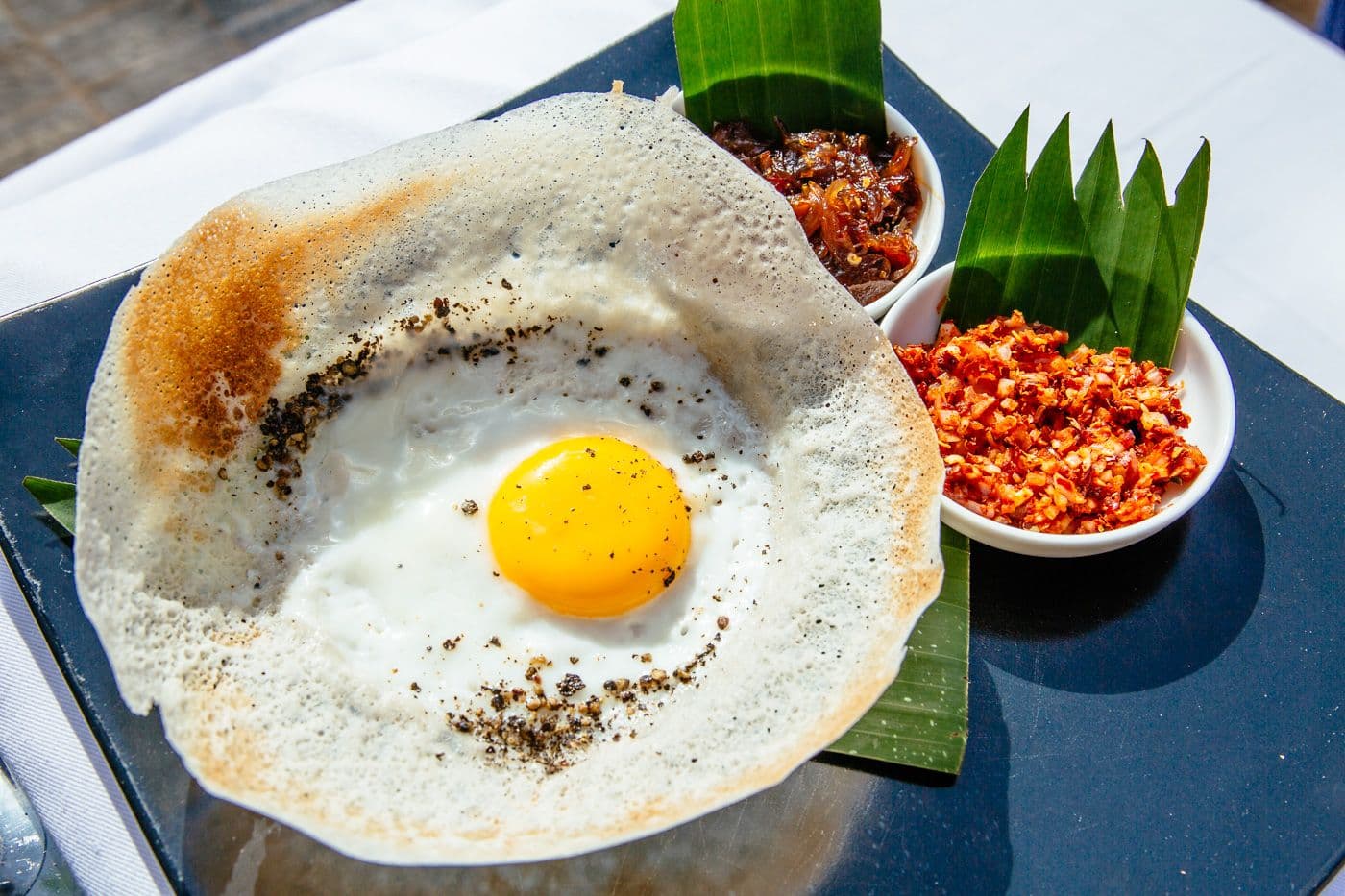
Hoppers are thin, bowl shaped pancakes made from a simple yet ingenious batter of fermented rice flour and coconut milk. They are cooked quickly in a small, round wok or high sided pan, resulting in a unique texture: a soft, slightly fluffy base perfect for soaking up flavor, and thin, golden brown, crispy edges.
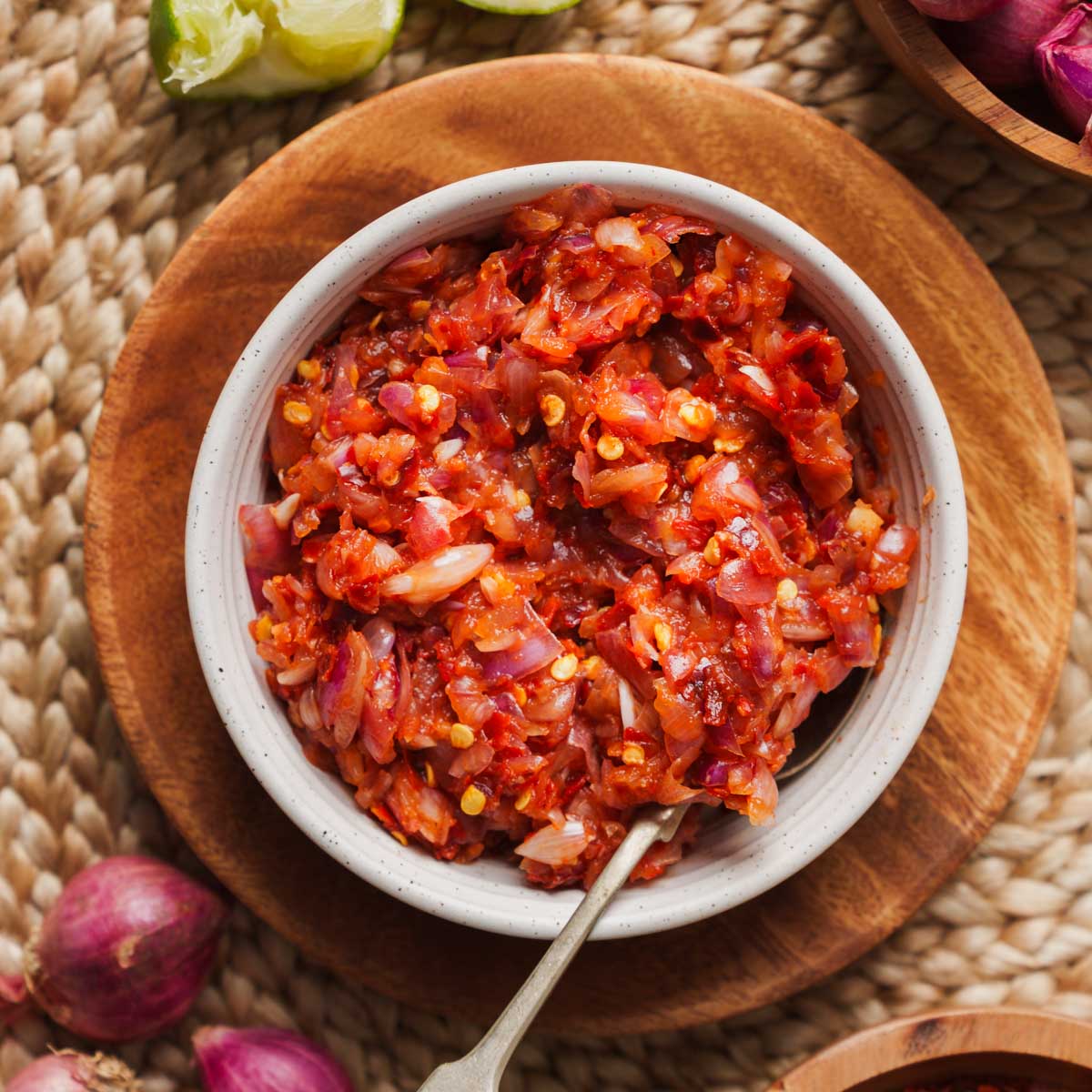
Hoppers are typically enjoyed during two distinct times of the day: breakfast and dinner (rarely during lunch). The favorite variation is the Egg Hopper, where an egg is cracked into the center of the cooking batter, steamed to a perfect consistency, and sprinkled with pepper. They are always served with accompaniments like the fiery Lunu Miris (a red onion and chili relish) or the fresh, tangy Pol Sambol (grated coconut salad), which you simply spoon into the bowl before tearing off the crispy edges to dip.
The Midnight Mash: Kottu Roti
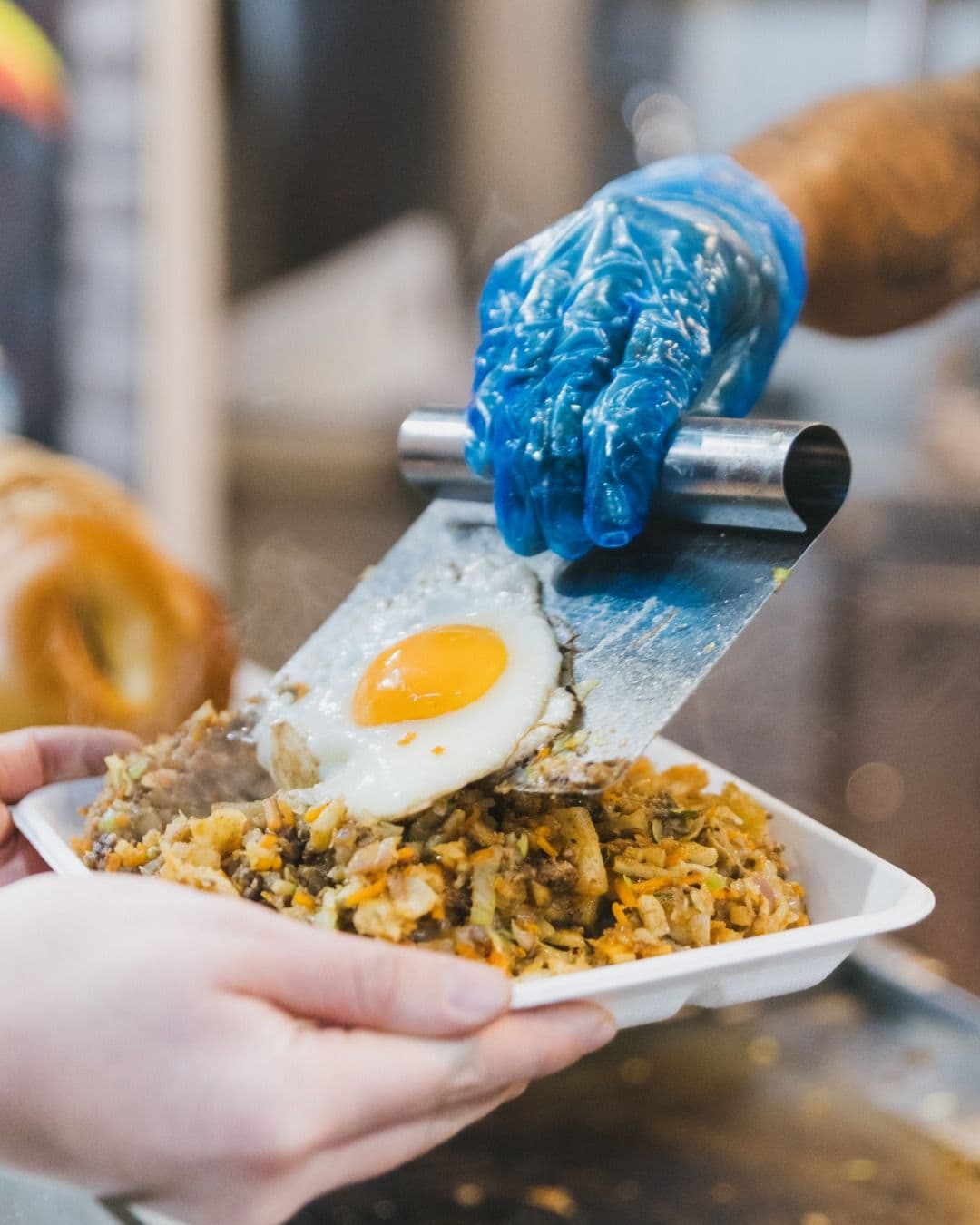
Kottu is the energetic, late night king of Sri Lankan cuisine. Unlike the delicate Hoppers, Kottu is a hearty, flavorful mash of shredded Godamba Roti (a wheat flatbread) stir fried with finely chopped vegetables, eggs, fragrant spices, and your choice of protein (chicken, fish, or cheese).
The dish is defined by its preparation: the cook uses two heavy, sharp metal blades to rhythmically chop the ingredients on a hot iron griddle. This loud, syncopated clank clank clank is the unmistakable soundtrack of Sri Lankan nightlife. Because of its generous portions and comforting, carb heavy nature, Kottu is the perfect post surf dinner or midnight snack. The most indulgent version is the Cheese Kottu, where fresh cheese wedges or even milk are added to create a creamy, decadent mash.
The Ultimate Showdown: Texture and Timing
The true joy of Sri Lankan food is not choosing between Hoppers and Kottu, but celebrating their differences.
In Weligama, you will find Hoppers available at most local cafes and guesthouses for breakfast, and at dedicated evening street stalls near the bus station. The best Kottu is often found at the small, brightly lit roadside stalls that set up shop after sunset, specializing in the loud, fast preparation of this hearty meal. Seek out a local spot like Chef Akila Kitchen or an unassuming place near the town center for the most authentic experience of both dishes.
The Supporting Stars
Neither Hoppers nor Kottu are eaten alone. They are always paired with essential condiments that provide flavor and moisture. Pol Sambol, a vibrant relish made from freshly grated coconut, red chilies, onion, and lime juice, is mandatory with Hoppers. For Kottu, it is typically served with a small bowl of spicy curry sauce, which you can pour over the mash to make it creamier and more flavorful. Do not forget to wash it all down with a sweet, milky local tea.
Enjoyed this story? Share it
About the Author
Lily Anderson
A passionate heritage explorer and travel storyteller dedicated to uncovering the sacred history, world-class surf breaks, palm-fringed beaches, and the vibrant coastal culture of Weligama — Sri Lanka's surfing paradise.