Temples and Tradition: Exploring the Ancient Buddhist Sites Near Weligama

Lucas Brown
Travel Writer
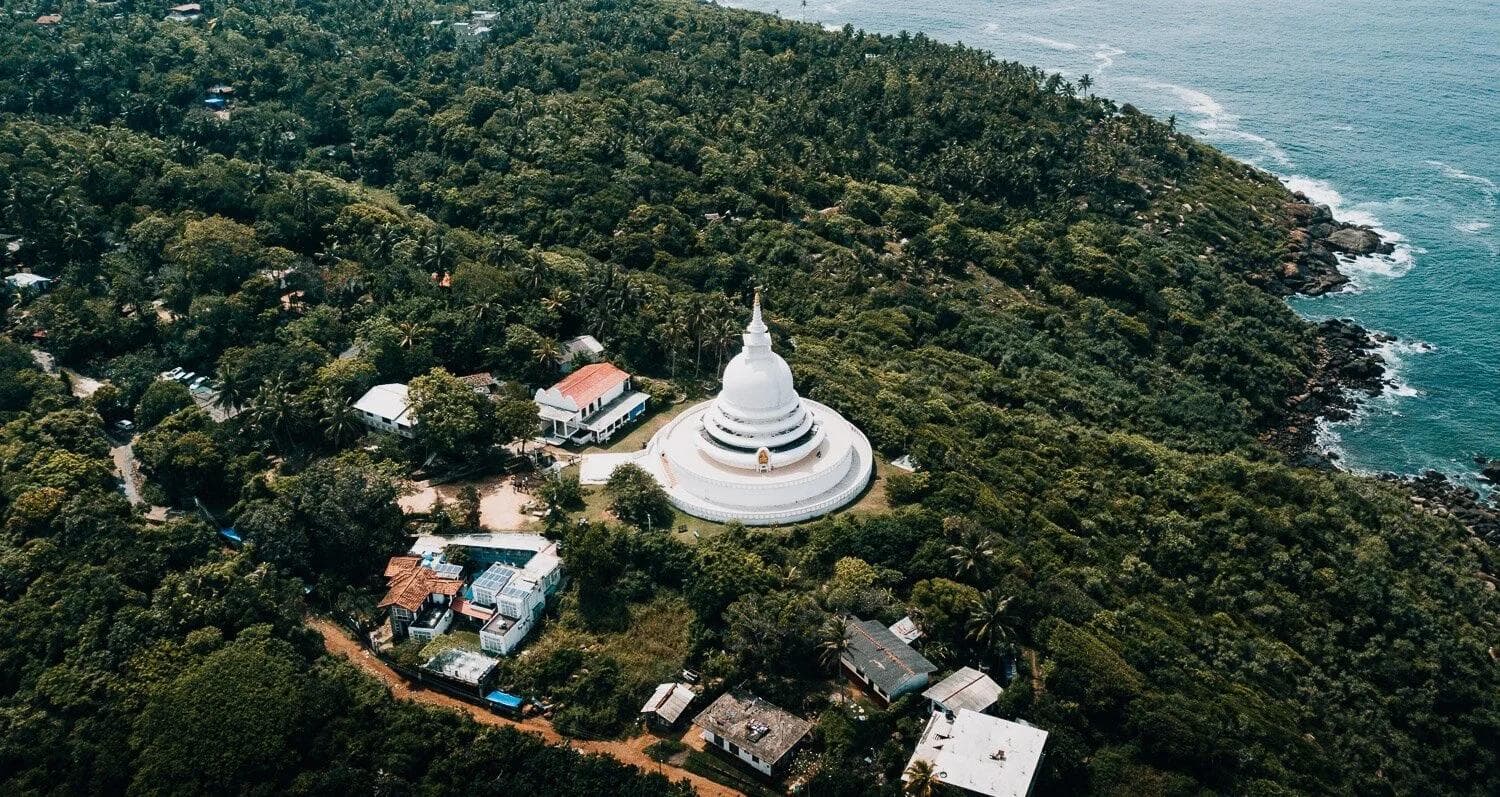
While the beaches of Weligama are famous for their lively energy and surf culture, the town is also a gateway to profound historical and spiritual sites. Sri Lanka is a nation deeply rooted in Theravada Buddhism, and just a short ride from the bustling coastline, you can step back in time at temples that have quietly stood for millennia. Exploring these sites offers a vital sense of the island’s rich history and a welcome moment of tranquility.
The Cradle of Weligama Buddhism: Agrabodhi Viharaya
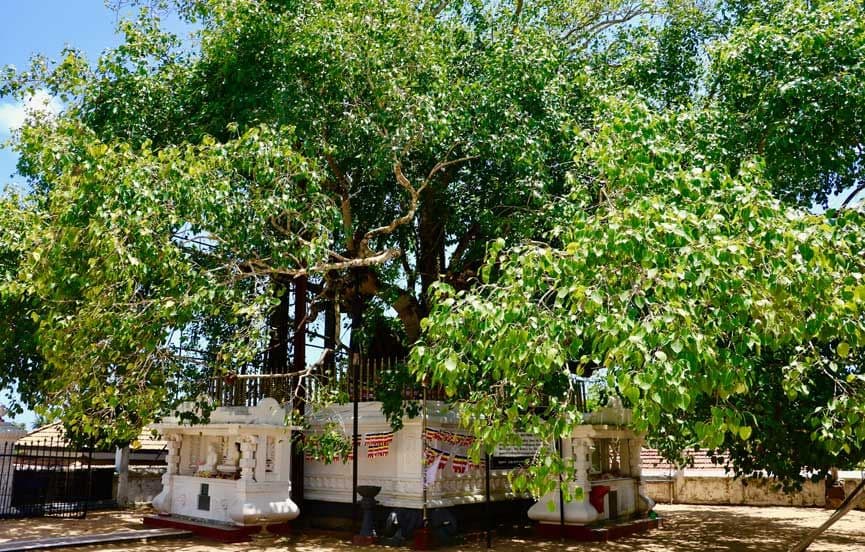
The most significant spiritual site in the immediate Weligama area is the Agrabodhi Raja Maha Viharaya. This ancient temple, located about one and a half kilometers inland, traces its origins back over 2,500 years to the era of King Devanampiyatissa.
The temple is historically revered because it is believed to be the location where the very first sapling from the sacred Jaya Sri Maha Bodhi in Anuradhapura took root. This fact imbues the temple’s Bo tree with immense spiritual significance, making it a powerful place for meditation and reflection. Despite undergoing destruction and reconstruction over the centuries, the serene, clean atmosphere and the ancient Dagoba, which was erected in the late nineteenth century, make this a truly peaceful retreat from the modern world.
The Enigmatic Rock Carving: Kushtarajagala
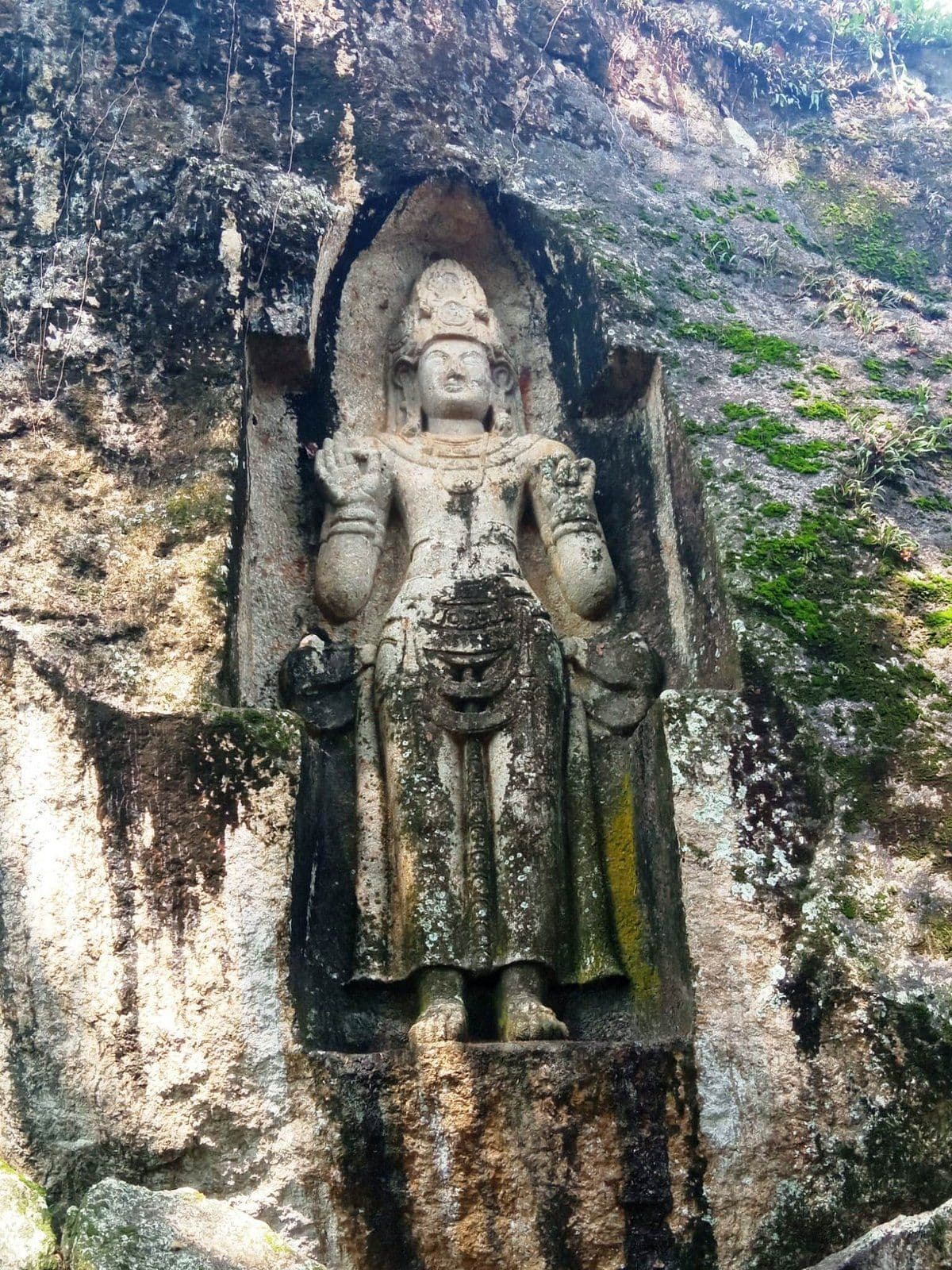
Just a stone’s throw from the Agrabodhi Viharaya stands the enigmatic Kushtarajagala. This three meter high bas relief is carved directly into the rock face and is one of the most intriguing archaeological relics in the southern province.
The carving, which dates back between the sixth and ninth centuries, is widely believed to depict the Bodhisattva Avalokiteśvara. However, local folklore centers on the Legend of the Leper King (Kushta Raja). The story tells of a king afflicted with a debilitating skin disease who was miraculously cured by drinking coconut water and pulp for three months, leading him to commission the carving in gratitude. This statue offers a unique fusion of history, myth, and art, and it is a fascinating piece of living heritage to visit.
The Oceanfront Oasis: Japanese Peace Pagoda
For a rewarding day trip that blends history with spectacular coastal scenery, head north toward Unawatuna and the Japanese Peace Pagoda on Rumassala Hill. Built by Japanese monks as part of a worldwide movement to promote global peace, this blindingly white, dome shaped stupa is a striking contrast against the deep blue of the Indian Ocean.
The site is entirely free to visit and offers one of the most breathtaking panoramic views on the entire coast. From its circular walkway, you can gaze across the water to the historic Galle Fort and along the lush green coastline. This monument provides a fantastic opportunity for quiet contemplation and is an especially beautiful place to witness the sunset.
The Essentials of Respectful Visiting
When exploring these temples, embracing local customs is essential. All Buddhist sites require visitors to dress modestly; this means covering your shoulders and knees. Footwear and hats must be removed before entering any temple premises, including the area around the Bo tree and the Dagoba.
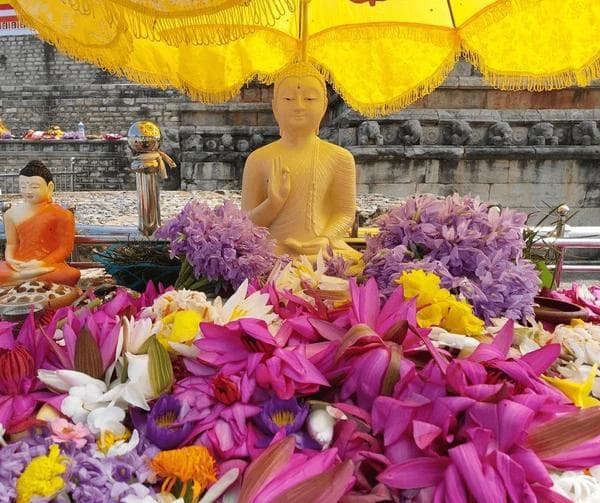
Temples are most active on Poya Days (Full Moon Days), which are public holidays. Visiting on a Poya Day allows you to witness special ceremonies, but they are also the most crowded times. For deep tranquility, choose the early morning hours on a regular weekday. Remember to speak quietly, move slowly, and offer a small voluntary donation upon entry to help with the upkeep of these invaluable historical sites.
Enjoyed this story? Share it
About the Author
Lucas Brown
A passionate heritage explorer and travel storyteller dedicated to uncovering the sacred history, world-class surf breaks, palm-fringed beaches, and the vibrant coastal culture of Weligama — Sri Lanka's surfing paradise.