The Best Time to Visit Weligama, Sri Lanka: Weather, Waves, and Festivals Guide

Lucas Brown
Travel Writer
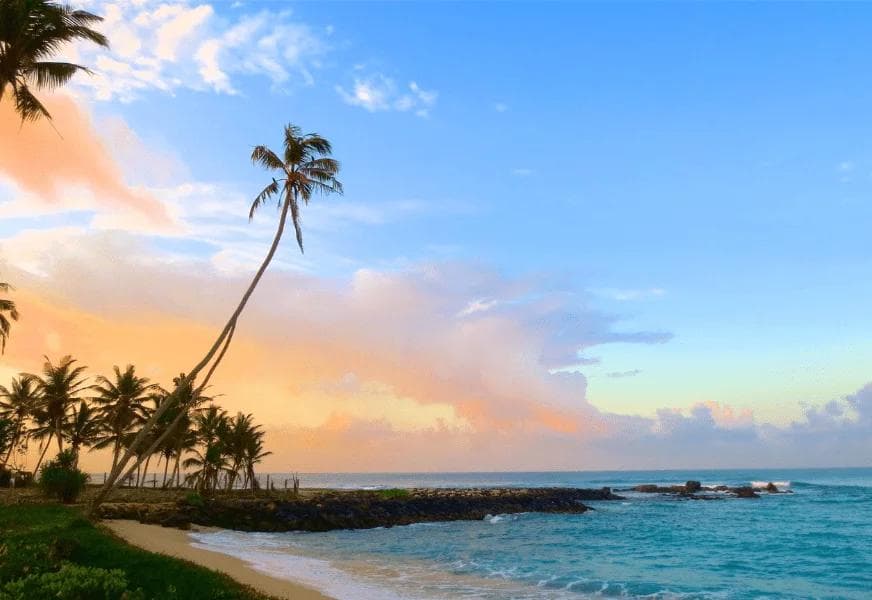
Weligama is blessed by its location on the south coast, offering consistently warm weather year round. However, Sri Lanka’s distinct monsoon seasons create dramatic differences in the ocean, crowds, and cost of travel. Choosing the right month for your trip is key to ensuring you get the exact experience you are looking for, whether you prioritize perfect sun, budget friendly rates, or the best conditions for catching a wave.
The Peak Season: November to April
This period is widely considered the best time to visit Weligama. The area benefits from a dry season, bringing with it minimal rainfall, clear skies, and calm seas. Temperatures hover comfortably around thirty degrees Celsius, and the low humidity makes sunbathing and daytime exploration a pleasure.
- Waves: The period from December to March offers the most consistent and manageable swells, which is why Weligama Bay becomes the global training ground for beginner and intermediate surfers.
- Ocean Activities: The calm, clear waters make this the prime season for swimming, snorkeling, and diving. Critically, whale watching off the coast is at its peak from December to April, offering the highest chance of spotting Blue Whales and Sperm Whales.
- Vibe: Expect a lively, energetic atmosphere, but be prepared for higher accommodation prices and crowds at popular cafes and surf spots.
The Green Season: May to September
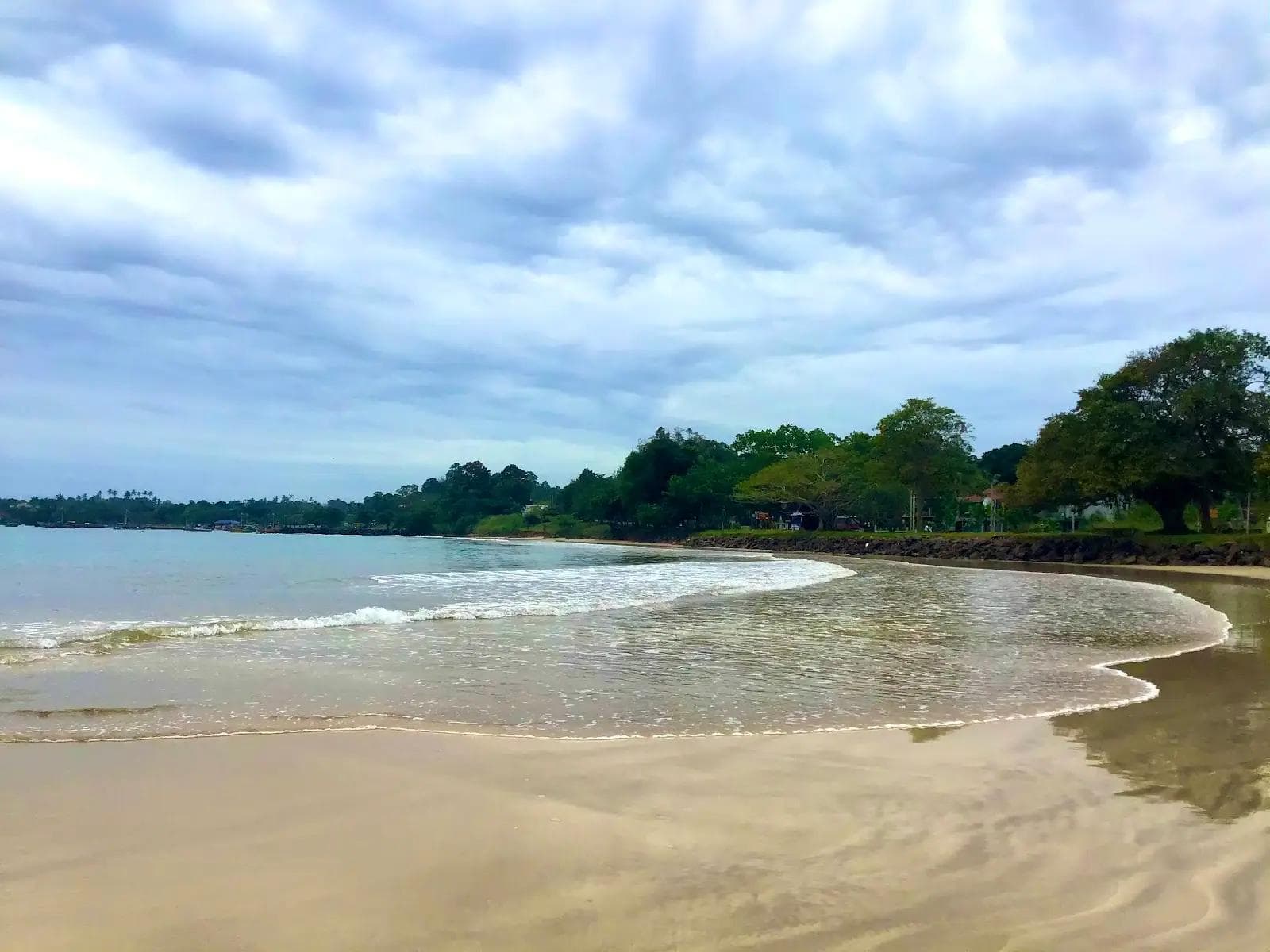
Coinciding with the Southwest Monsoon, this period is often referred to as the Green Season. While it certainly sees more rain, the term "monsoon" can be misleading for travelers. Rain usually falls in heavy, dramatic bursts, often in the afternoon, followed quickly by sun. The landscape is dramatically lush and green.
- Waves: The waves can be slightly rougher, making some swimming spots less ideal, but the main bay remains surfable for beginners year round due to its sheltered position. More experienced surfers often head to the East Coast during this time, leaving Weligama significantly quieter.
- Budget: This is the best time for value. Accommodation rates drop substantially, and you can enjoy discounts on lessons and tours.
- Tranquility: Many coastal establishments take breaks, and the beaches are beautifully quiet, offering a much more intimate, slower paced travel experience.
The Sweet Spot: Shoulder Months
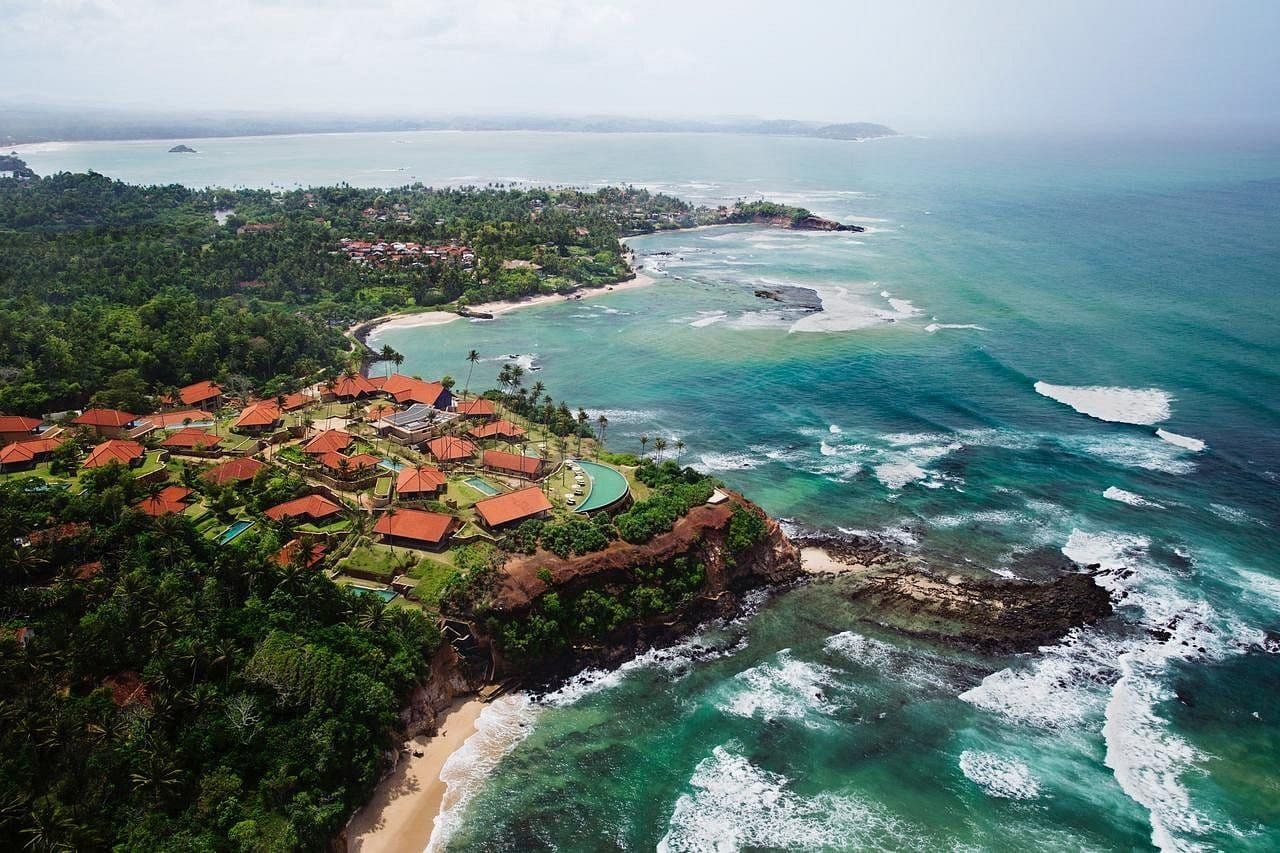
For the savvy traveler, the months on either side of the peak season offer a wonderful compromise, delivering a balance of good weather, fewer crowds, and better prices.
April is hot, with the weather transitioning before the monsoon. The crowds are thinning out after the peak winter rush, and the ocean retains its warmth. Crucially, April is also the month of the Sinhala and Tamil New Year, Avurudu, a major cultural event that sees the entire country engage in unique traditions and festivities.
October and early November bring the transition out of the heavy monsoon period. The occasional shower can be expected, but the seas are calming, and the temperatures are pleasant. This quiet window offers excellent value and is perfect for visitors who want the beauty of the coast without the high season bustle.
Cultural Timing: Festivals and Rituals
Timing your visit to coincide with a Sri Lankan festival can transform your trip into a deeply cultural experience.
The aforementioned Avurudu in April is a spectacle, marked by traditional games, unique cuisine, and a collective national celebration of the harvest and the New Year. Similarly, the Esala Perahera, usually held in Kandy in July or August, is the most magnificent Buddhist procession, though it requires a trip inland. Closer to home, Weligama, like the rest of the island, celebrates every Poya Day (Full Moon Day) as a public holiday, with white-clad devotees visiting local temples and shops closing to observe religious rituals.

Enjoyed this story? Share it
About the Author
Lucas Brown
A passionate heritage explorer and travel storyteller dedicated to uncovering the sacred history, world-class surf breaks, palm-fringed beaches, and the vibrant coastal culture of Weligama — Sri Lanka's surfing paradise.